Where Does Consciousness Come From?
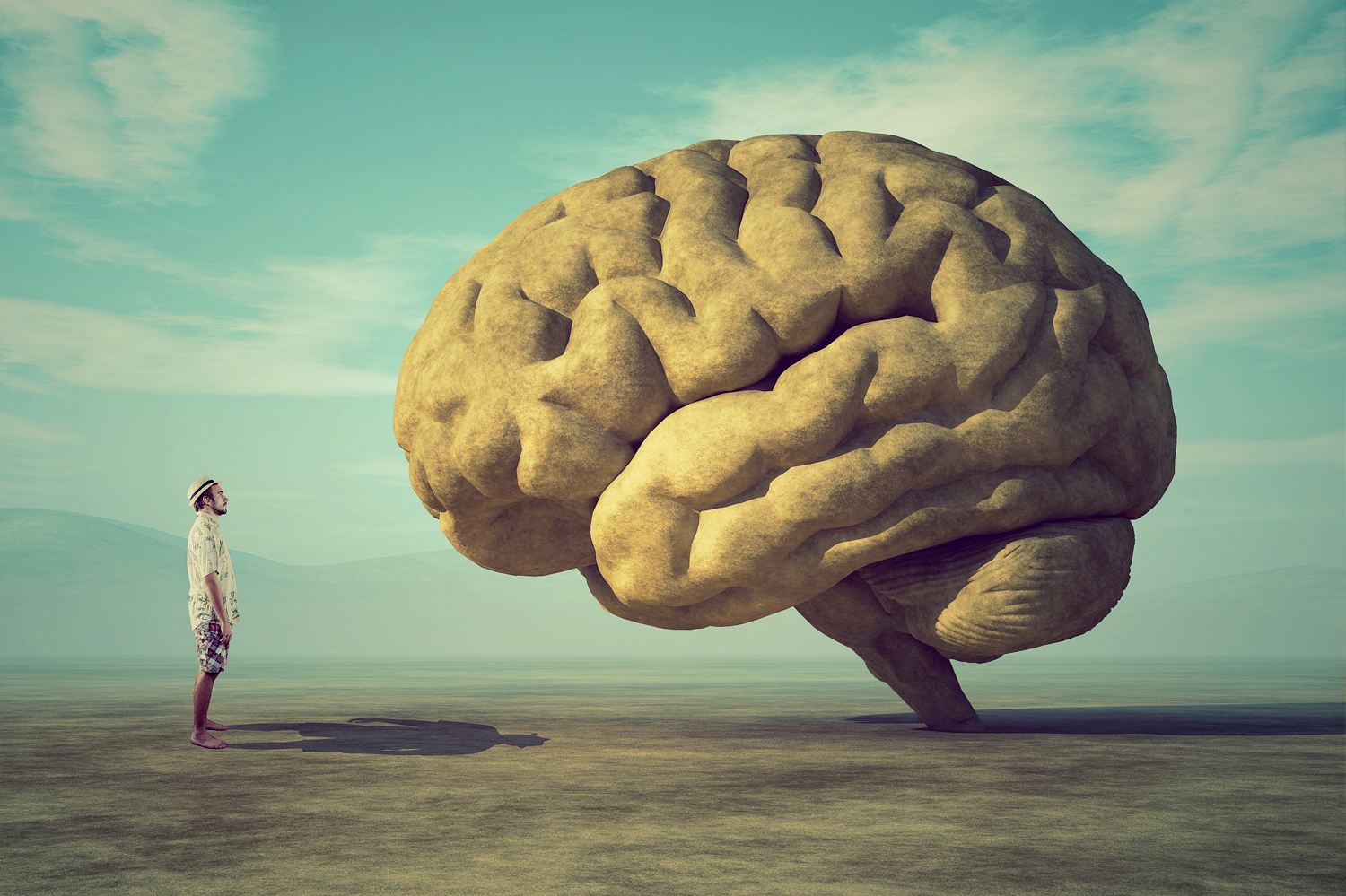
It seems like a simple question, yet consciousness remains one of the greatest unsolved mysteries in science and philosophy.
Most of us experience consciousness continuously. We think, perceive, imagine, remember and reflect. We know what it feels like to be ourselves. Yet explaining how subjective experience arises has proved remarkably difficult.
Within mainstream neuroscience, the prevailing view is that consciousness emerges from the activity of the brain. As networks of billions of neurons interact, conscious awareness appears as an emergent property of that complexity. This perspective has generated decades of valuable research into perception, cognition and established a neural correlation of consciousness.
Others, however, argue that this explanation may be incomplete.
Some researchers have proposed that the brain functions more like an interface, filter or receiver, shaping and limiting a consciousness that exists more fundamentally. Variations of this idea appear in different forms throughout history, from philosophical idealism and aspects of quantum theory to contemplative traditions and reports arising from meditation, psychedelic research and near-death experiences.
These ideas are perhaps controversial in the empirical sense, but they continue to stimulate serious discussion because the “hard problem” of consciousness – why physical processes should give rise to subjective experience at all – has yet to be satisfactorily resolved.
Perhaps the most interesting aspect of this debate is that it cannot be answered by neuroscience alone.
Philosophy asks what consciousness actually is.
Psychology explores how it is experienced.
Physics examines the fundamental nature of reality.
Religious and contemplative traditions have investigated conscious experience for thousands of years through direct practice rather than laboratory experiment.
Each discipline contributes part of the picture. None can yet claim to possess the whole.
At the Centre for Liminal Studies, our interest lies in bringing these perspectives into dialogue. We believe meaningful progress often happens not by replacing one discipline with another, but by encouraging rigorous, open-minded conversation across traditional boundaries.
Whether consciousness is generated by the brain, mediated through it, or represents something more fundamental remains an open question.
For now, perhaps the most scientifically honest position is one of curiosity.
After all, history reminds us that today’s assumptions can become tomorrow’s revisions – and that some of the biggest advances begin with the courage to keep asking better questions.
